What light, if any, can biblical archaeology throw on the most important event in Christianity, namely the resurrection of Jesus?
Skeptics say it’s pure legend with no material evidence to even render it worth considering.
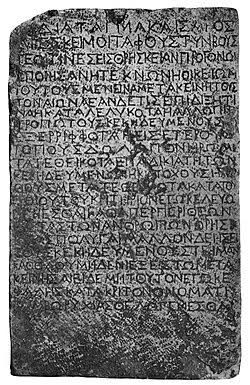
But a marble slab uncovered by archaeologists in Nazareth says otherwise.
It’s known as the Nazareth Inscription.
Dated to the first century A.D., most likely during the reign of Tiberius or Claudius, the slab has a 14 line inscription.
The first line is “Edict of Caesar.”
But the most interesting part comes next.
The edict pronounces the death penalty for anyone stealing bodies from graves or moving the stones that seal tombs.
Now why would Rome have found it necessary to issue an imperial edict on this subject at that time?
There is only one answer. The Jews and the Romans had found Jesus’ tomb to be empty. There was no body in there.
The dispute was over how this came to be. The official Roman position was the disciples stole the body.
Evidently the edict was a response to the rapidly spreading moment of Jews who believed the reports of a resurrected Messiah.
This is not an attempt to prove the resurrection, but to reveal an important archaeological artifact that seems to verify the empty tomb and also register Rome’s reaction to that fact.
More here: https://a.co/d/07CoVJCP