The Bible is archaeologically interesting not merely for what it says but also for what it doesn’t say.
For example it’s there is no mention of writing in the Book of Genesis.
The Hebrew words for writing, book or document never appear in this book.
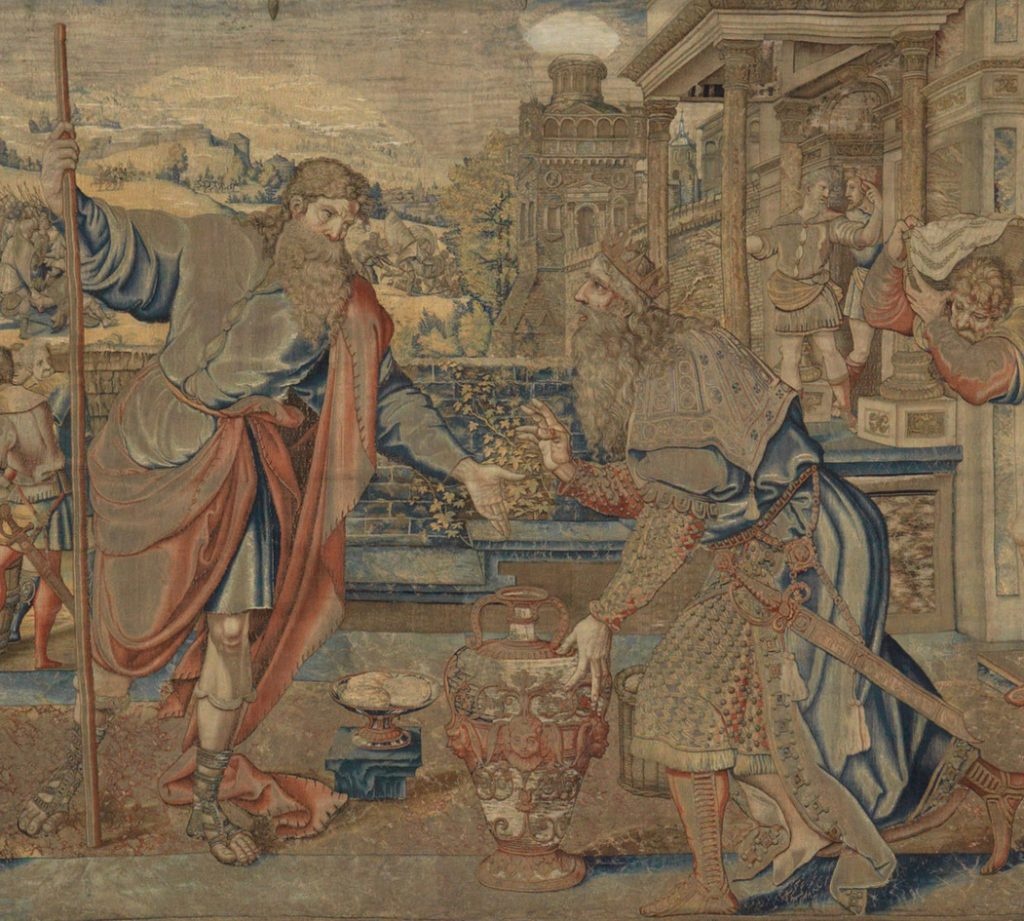
When Abraham purchased a burial cave from Ephron the Hittite, the price and bargaining process are outlined in detail in Genesis 23.
The account concludes:
“Ephron the Hittite answered Abraham in the audience of the children of Heth, even of all that went in at the gate of his city, saying,
Nay, my lord, hear me: the field give I thee, and the cave that is therein, I give it thee; in the presence of the sons of my people give I it thee: bury thy dead.” (Genesis 23: 10-11)
The reason Ephron makes this declaration in front of his people is there is no written contract, only a public assembly of witnesses to the oral transaction.
So the arts of reading and writing were absent, or at least uncommon, in the Judean Hills of Israel at the time of the patriarchs.
This corresponds with what archaeologists know about the spread of the written word which seems to have occurred only later, and predictably in urban centers.
The first mention of writing in the Bible occurs in the Book of Exodus 17:14, when Moses is told to record the defeat of Amalek “in a book.”
Below, the Ephron bargaining scene from the Abraham Tapestries of Henry VIII. Woven as a 10-piece set in Brussels in the early 1540s, they are now in the Royal Collection at Hampton Court Palace.
My new book, out Oct. 13: https://a.co/d/0cC9Yqgt