WHO’S WINNING?
The debate between Bible believers and skeptics—or in archaeological terms between biblical “maximalists” and “minimalists”—has been raging for a long time. Who’s winning?
Answer: The believers. The maximalists.
Here’s why.
Biblical history begins with the patriarchs around 2,000 B.C and goes through the early Christian movement around 50 A.D. it covers more than two millennia.
It also covers a wide geographical space: the land of Canaan/Israel, Syria, Jordan, Egypt, Mesopotamia, Greece, Italy, Anatolia or modern-day Turkey.
The Bible is dense with thousands of historical facts: People, places, events large and small.
This puts the Bible squarely in the province of history and archaeology. It is in Karl Popper’s term “falsifiable.”
That means it can be proven wrong. Just provide a list of significant archaeological discoveries that contradict the Bible.
The skeptic and the “minimalist” can’t do this, because there aren’t any.
This is not to deny legitimate ongoing debates about dates and precise details and locations.
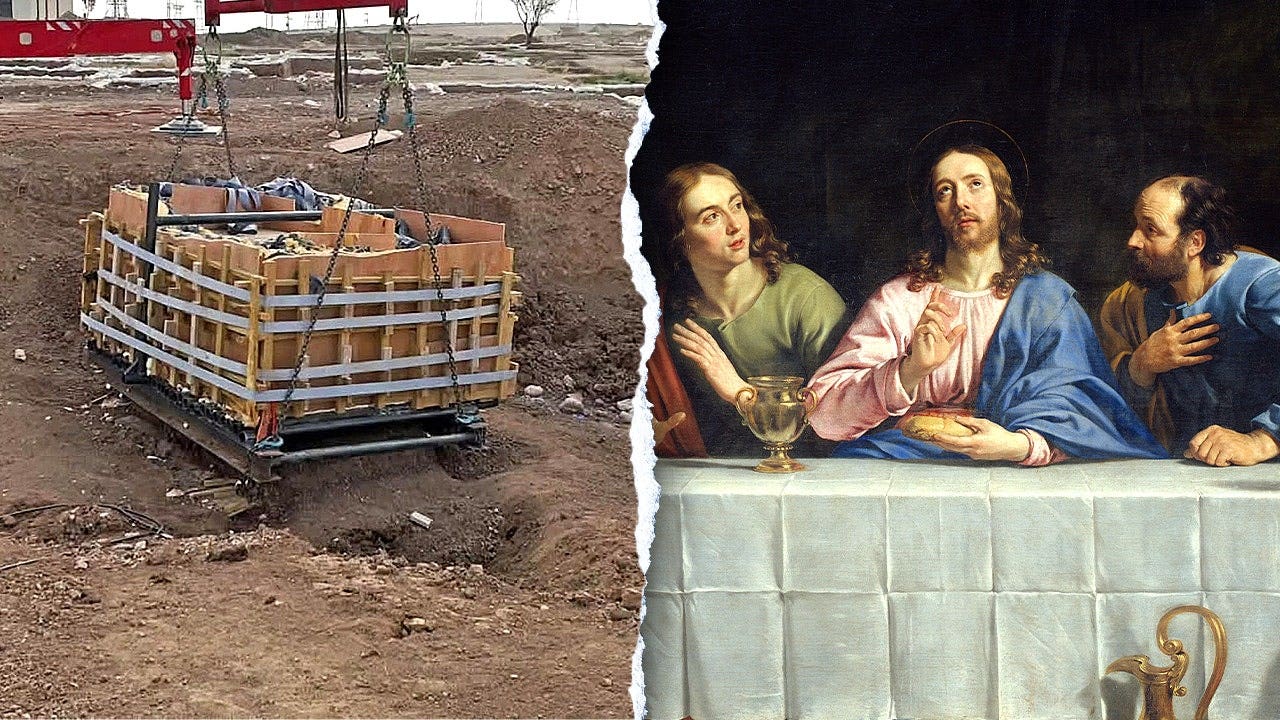
Did this particular thing happen in the early 9th century or the late 9th century? Was Jesus crucified with nails through his wrists or ropes binding them?
This is the normal business of archaeology and of history.
Nor is it to claim that the full biblical narrative has been historically proved. Lots of things haven’t been found: The Tower of Babel, the Ark of the Covenant, and so on.
But then again, there are more than a hundred artifacts that confirm and illuminate the Bible. No other sacred text can come close to this kind of archaeological verification.
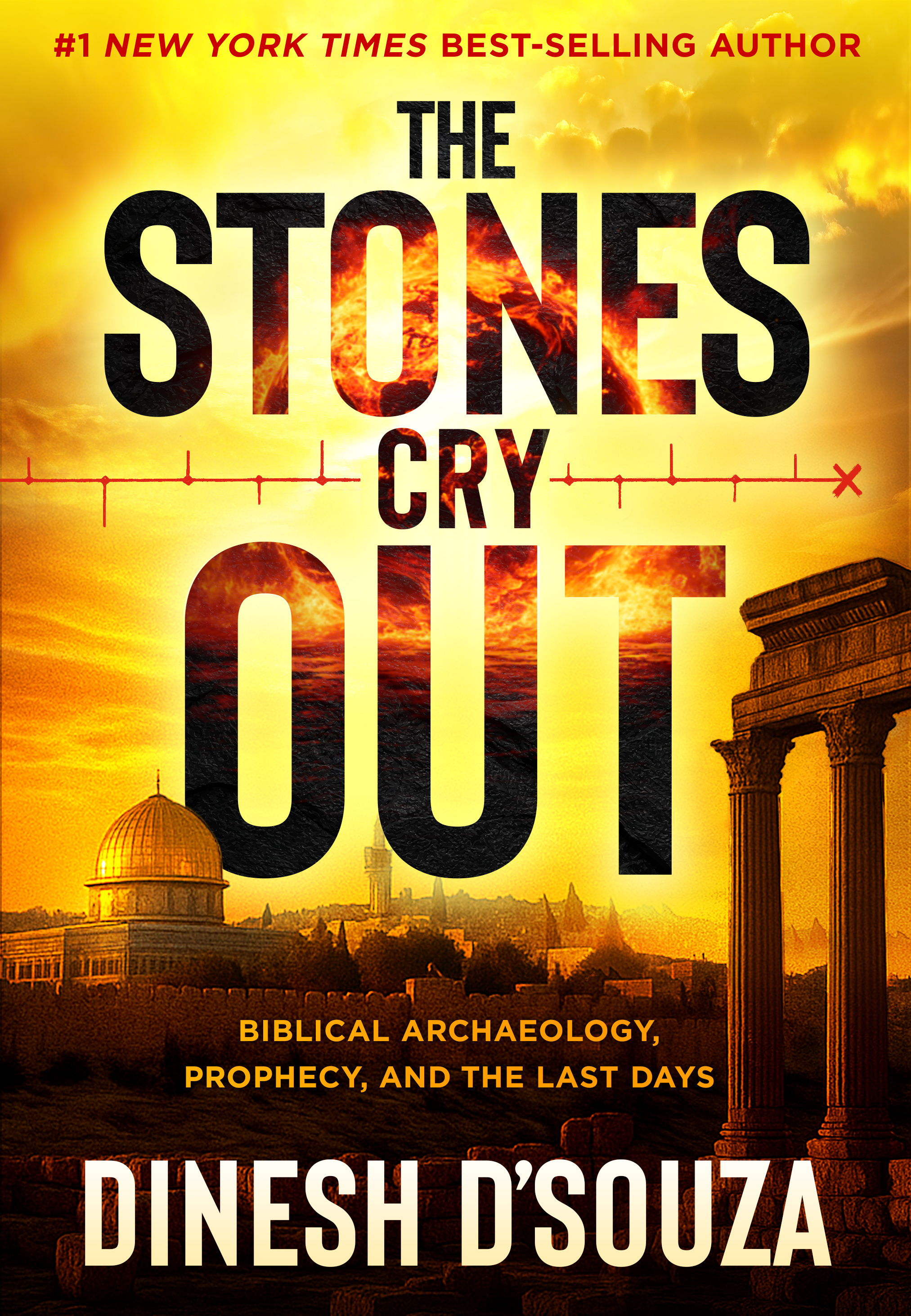
My new book “The Stones Cry Out” provides this evidence in a chronological thread stretching across the full timescale and geographical spread of the Bible.
These facts, many of them jaw-dropping and awe-inspiring, support the theory that the Bible is historically reliable, not just in big things but also in small, down to its minute details.
As with any theory, the real test is what can be offered in 150 years of archaeological work to decisively refute the Bible.
And the sober conclusion is: Nothing.
That tells you pretty much everything you need to know.
My new book is out next week! Preorder here: https://a.co/d/0iwV3zEo