Archaeology vs. The Da Vinci Code
ARCHAEOLOGY vs. THE DA VINCI CODE
One of the themes of biblical skepticism and minimalism is that Jesus was not worshipped as God until the 4th century A.D.
The popular book “The Da Vinci Code” echoed this thesis.
The skeptics insisted that only after Constantine converted, and Christianity became the official
religion of the Roman state, were the key doctrines of Christianity first promulgated.
But a 2005 archaeological discovery at a prison in Megiddo in northern Israel called this whole mode of thinking into question.
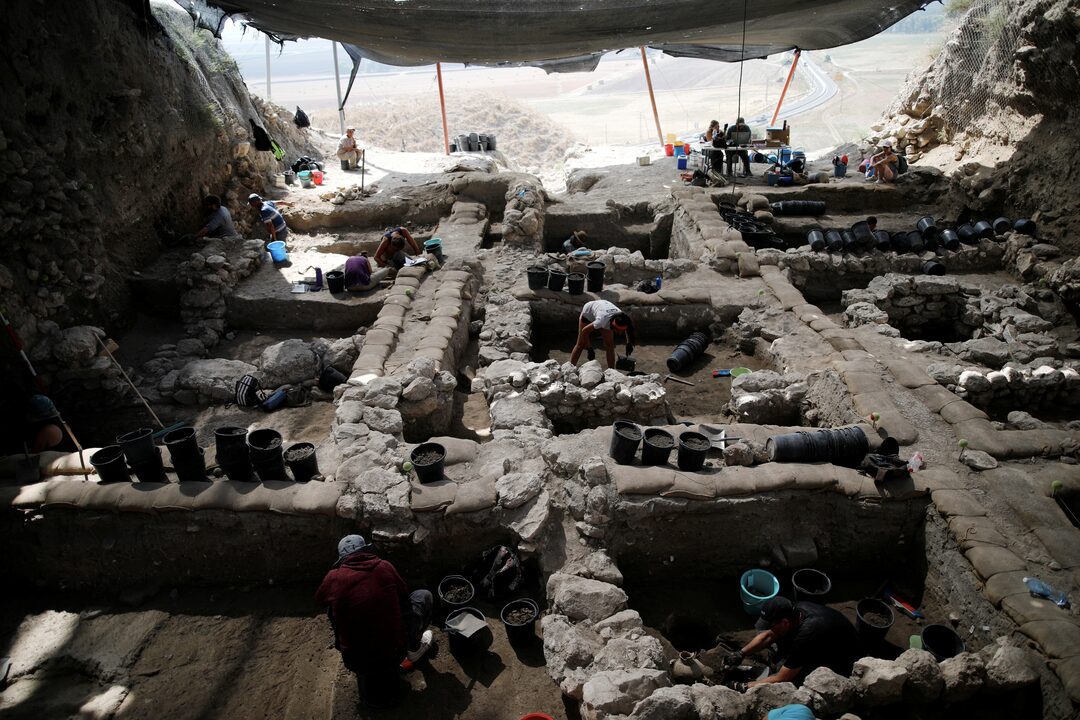
Construction work at the Megiddo prison revealed the remnants underneath of an ancient Christian church.
Dated to the third century A.D., the church had a beautiful mosaic, the familiar Christian fish symbol, and several Greek inscriptions.
One inscription listed the name of the church’s benefactor, who was evidently a Roman centurion named Gaianus.
A second inscription asks four women to be remembered: “Primilla and Cyriaca and Dorothea and also Chreste.”
It was the third inscription that drew widespread attention.
It reads, “The God-loving Akeptous has offered a table to God Jesus as a memorial.”
God Jesus! This confirms that followers of Jesus considered him divine just two centuries after his death.
It also shows the Communion table was being shared at that time.
Archaeology does not merely support the Bible; it also demonstrates early Christian belief and practice.
One more premise of armchair skepticism and minimalism bites the dust.
Order my new book here: https://www.barnesandnoble.com/w/the-stones-cry-out-dinesh-dsouza/1150334073